
07:53 AM | 31 Dec 2024 | By Admin
Understanding Eating Disorders: A Closer Look at the Struggles and Recovery
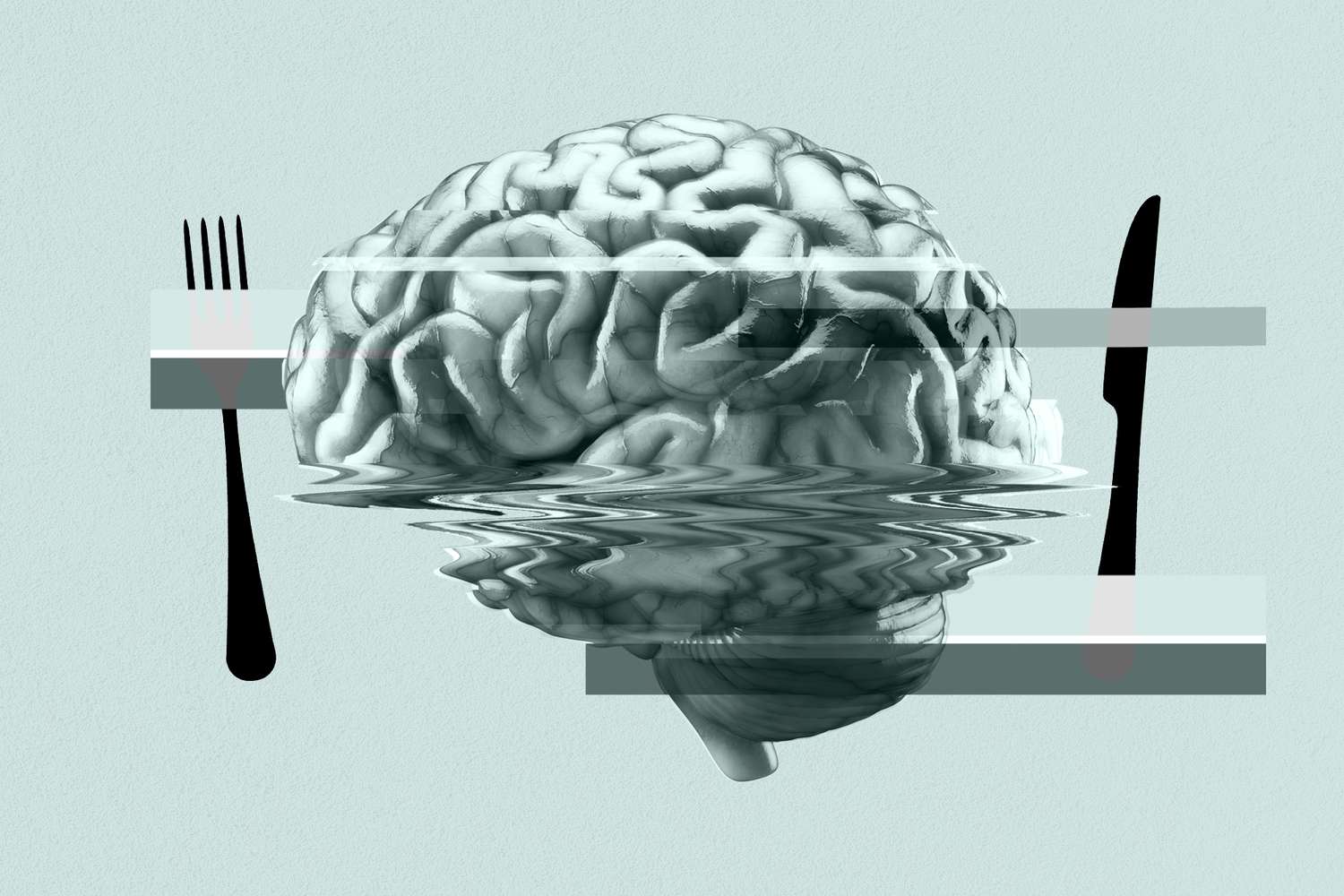
Eating disorders are complex mental health conditions that affect individuals across all ages, genders, and backgrounds. While they often manifest as unhealthy relationships with food and body image, the underlying causes can be multifaceted, involving psychological, emotional, social, and biological factors. Eating disorders are not just about food; they are deeply rooted in personal struggles, cultural influences, and societal pressures.
In this blog, we will explore the different types of eating disorders, their symptoms, the impact they can have on individuals, and the importance of seeking help in the journey to recovery.
What Are Eating Disorders?
Eating disorders are characterized by severe disturbances in eating behaviors and distorted thoughts about food and body image. The most common types of eating disorders include:
-
Anorexia Nervosa: Anorexia is marked by an intense fear of gaining weight and a distorted perception of one’s body size. Individuals with anorexia often restrict their food intake to extreme levels, leading to significant weight loss and potential malnutrition. Despite being underweight, they may see themselves as overweight, which exacerbates the unhealthy behaviors.
-
Bulimia Nervosa: Bulimia involves cycles of binge eating followed by compensatory behaviors, such as vomiting, excessive exercise, or fasting, to prevent weight gain. People with bulimia may struggle with shame and guilt after binging episodes, which perpetuates the cycle of disordered eating.
-
Binge Eating Disorder: Unlike bulimia, individuals with binge eating disorder (BED) engage in regular episodes of excessive eating without purging behaviors. Feelings of loss of control during these episodes are common, and many individuals with BED experience significant distress about their eating habits, often leading to weight gain and emotional difficulties.
-
Other Specified Feeding or Eating Disorder (OSFED): OSFED includes eating disorders that don't fully meet the criteria for anorexia, bulimia, or binge eating disorder, but still involve significant disordered eating behaviors. This category includes disorders such as atypical anorexia or purging disorder.
Symptoms and Warning Signs
Eating disorders can be difficult to detect, especially because they often occur alongside other mental health conditions such as anxiety or depression. However, there are several physical, emotional, and behavioral signs that may indicate someone is struggling with an eating disorder:
Physical Signs:
- Noticeable weight loss or gain
- Frequent fluctuations in weight
- Dizziness, fainting, or fatigue
- Digestive issues or stomach complaints
- Hair loss or thinning
- Brittle nails and dry skin
Emotional and Behavioral Signs:
- Preoccupation with weight, food, and dieting
- Secretive eating behaviors
- Rituals around eating (e.g., cutting food into small pieces, eating only certain foods)
- Extreme mood swings or irritability
- Low self-esteem and body dissatisfaction
- Withdrawal from social activities or family events
The Impact of Eating Disorders
The effects of eating disorders are not limited to physical health; they can also have a profound impact on mental and emotional well-being, relationships, and quality of life.
-
Physical Health Consequences: Anorexia, bulimia, and other eating disorders can lead to malnutrition, heart problems, hormonal imbalances, weakened bones, and gastrointestinal issues. In severe cases, eating disorders can be life-threatening.
-
Mental Health Impact: Eating disorders often co-occur with other mental health conditions like anxiety, depression, and obsessive-compulsive disorder (OCD). The constant preoccupation with food and body image can intensify feelings of distress and worsen other underlying psychological issues.
-
Social and Relationship Struggles: Individuals with eating disorders may isolate themselves from friends and family due to shame or embarrassment. They may also engage in unhealthy behaviors around social events that involve food, such as avoiding meals or pretending to eat.
Seeking Help and Recovery
Recovery from an eating disorder is possible, but it often requires a comprehensive approach involving medical, psychological, and nutritional support. While the path to recovery can be challenging, it is important to understand that help is available and recovery is achievable.
-
Professional Support: A team of healthcare professionals, including doctors, therapists, nutritionists, and psychiatrists, may be needed to address the physical, emotional, and psychological aspects of the disorder. Therapy, particularly Cognitive Behavioral Therapy (CBT), has shown to be effective in helping individuals understand and reframe the negative thoughts associated with their eating behaviors.
-
Support Groups: Joining a support group can be incredibly beneficial for individuals in recovery. Connecting with others who are going through similar struggles can help reduce feelings of isolation and foster a sense of community and understanding.
-
Self-Care and Healing: While professional help is crucial, self-care plays a vital role in the recovery process. Learning to nurture the body with balanced nutrition, practicing mindfulness, and engaging in activities that promote self-worth can aid in healing.
-
Building a Support System: Having a strong support system of family, friends, or loved ones can make a significant difference in an individual’s recovery journey. These people can offer encouragement, understanding, and accountability.
Conclusion
Eating disorders are not just about food—they are a complex interplay of mental, emotional, and physical factors. If you or someone you know is struggling with an eating disorder, it’s important to remember that seeking help is the first step toward healing. Recovery is a long and often difficult journey, but with the right support, individuals can learn to embrace their bodies and live healthier, happier lives. If you or someone you care about is showing signs of an eating disorder, consider reaching out to a healthcare professional for guidance and support.
Remember, recovery is possible. You are not alone.